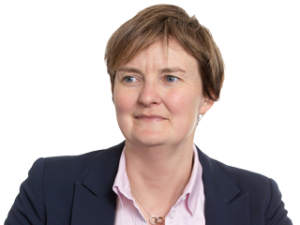

In a sector traditionally governed by technical expertise, diversity of thought is a critical risk-management tool. PKF’s Head of Tax and Partner, Catherine Heyes, explores why structural accountability and psychological safety, rather than surface-level representation, are essential for securing the future talent pipeline.
In professional services, I have seen leadership traditionally defined by technical expertise, experience and judgement. These are all important, however increasingly, we should recognise that diversity is not just a cultural consideration; it is an important factor in shaping performance, decision-making and effective governance.
Moving beyond representation to true impact
From what I have observed and from the evidence available, diversity alone does not automatically improve performance. However, organisations that combine diversity with inclusive leadership and strong governance consistently tend to outperform over the long term. For me, that distinction is critical: representation on its own is not enough; it is what we do with it that makes the difference.
What the research tell us
There is now a substantial body of research exploring the relationship between diversity and organisational outcomes. Studies such as McKinsey’s Diversity Matters series point to a consistent correlation between more diverse leadership teams and stronger financial performance.
At the same time, I am conscious that academic research highlights how complex this relationship is, and that it is not always directly causal. What feels clearer to me and as more widely agreed is that diversity contributes to better outcomes when it is supported by an inclusive culture where different perspectives are genuinely used in decision-making.
More recent research reinforces this more nuanced view. Analysis from the London School of Economics, based on data from nearly 1,000 UK and US firms, found that organisations with stronger diversity, equity and inclusion practices tend to see better long-term market performance and higher levels of innovation. What stands out to me is that these benefits are most evident when diversity is reflected at senior levels. This underlines the role of leadership in translating diversity into tangible outcomes.
A powerful risk-management tool in tax and advisory
From a tax perspective, where complexity, interpretation and risk sit at the centre of the work, I see diversity of thought as particularly valuable. Different perspectives help to challenge assumptions, reduce the risk of herd mentality and lead to more robust judgement.
These are not abstract benefits — they are directly relevant to areas such as regulation, risk and client advice. Research reviewed by the FCA similarly suggests that more diverse leadership teams are associated with stronger outcomes in risk management, conduct and decision-making.
Cultivating an environment of psychological safety
However, I am very aware that diversity alone is not enough. As highlighted in Harvard Business Review, simply increasing representation does not automatically lead to improved performance.
The real value comes when organisations create an environment where people feel able to speak up, where challenge is encouraged, and where leadership is open to learning and adapting. Without that, diversity can exist without meaningfully influencing decisions or outcomes, something I believe many organisations are still grappling with.
The role of inclusive leadership in action
For me, inclusive leadership plays a central role in addressing this. In practice, it goes well beyond representation. It means creating an environment where different voices are genuinely heard and valued, encouraging open discussion, actively inviting alternative perspectives and ensuring people feel comfortable contributing their views. It also requires moving beyond instinct to more transparent and structured decision-making, and embedding fairness in how opportunities, feedback and progression are managed.
Securing the future talent pipeline
I also see a clear link between leadership diversity and the future talent pipeline. While progress has been made, there are still gaps. For example, women now hold over 40% of board roles but closer to 35% of leadership positions in FTSE 350 companies. For those earlier in their careers, I believe that seeing people like them in senior roles plays a meaningful role in shaping how they view their own progression and sense of belonging.
Shifting from intent to accountability
While momentum is building, many organisations including, those in professional services, are still moving from intent to true accountability. Embedding diversity into governance structures, leadership development and performance expectations is key. To me, this is not just about representation, but about ensuring that diverse voices have real influence over decisions at the highest levels.
Ultimately, I see inclusive leadership as an ongoing responsibility rather than a one-off initiative. In a profession built on trust, judgement and long-term client relationships, the ability to draw on a broad range of perspectives is becoming increasingly important. Organisations that successfully combine diversity with an inclusive and open culture are, in my view, better placed to make stronger decisions, manage risk effectively and deliver high-quality outcomes for their clients.
A Personal commitment to inclusion
I consider myself fortunate that neither being a woman nor a member of the LGBTQ+ community has held me back in my career. I’ve always been open about my sexuality and have never felt the need to hide that part of who I am.
At the same time, I am very aware that this is not everyone’s experience, which is why creating an inclusive environment genuinely matters to me on a personal level. In my roles at PKF, I try to reinforce the importance of building a culture where people feel able to be themselves and succeed without compromise. That, to me, is what true inclusion looks like.